A Biased View of Lab Grown Diamonds
Table of ContentsAn Unbiased View of Lab Grown DiamondsThe Basic Principles Of Lab Grown Diamonds Some Of Lab Grown Diamonds4 Easy Facts About Lab Grown Diamonds Shown
As you travel closer to the Planet's core, stress and temperature level increase, which produces the excellent oven for carbon to be exchanged diamond (rubies are the only gemstone to be made from purely one component). Through an enormous volcanic eruption, these diamonds were transferred to the Planet's surface area. It's approximated this procedure was relatively quick (probably throughout several hours), which permitted the rubies to remain undamaged without melting.The brief answer: carats determine the mass of rocks, karats determine the purity of gold. Carat: 1 carat amounts to 0.2 grams, about the weight of a paperclip (next time you see a picture of Mariah Carey's 35 carat weight interaction ring, just think of the worry of lugging 35 paper clips around your finger daily).
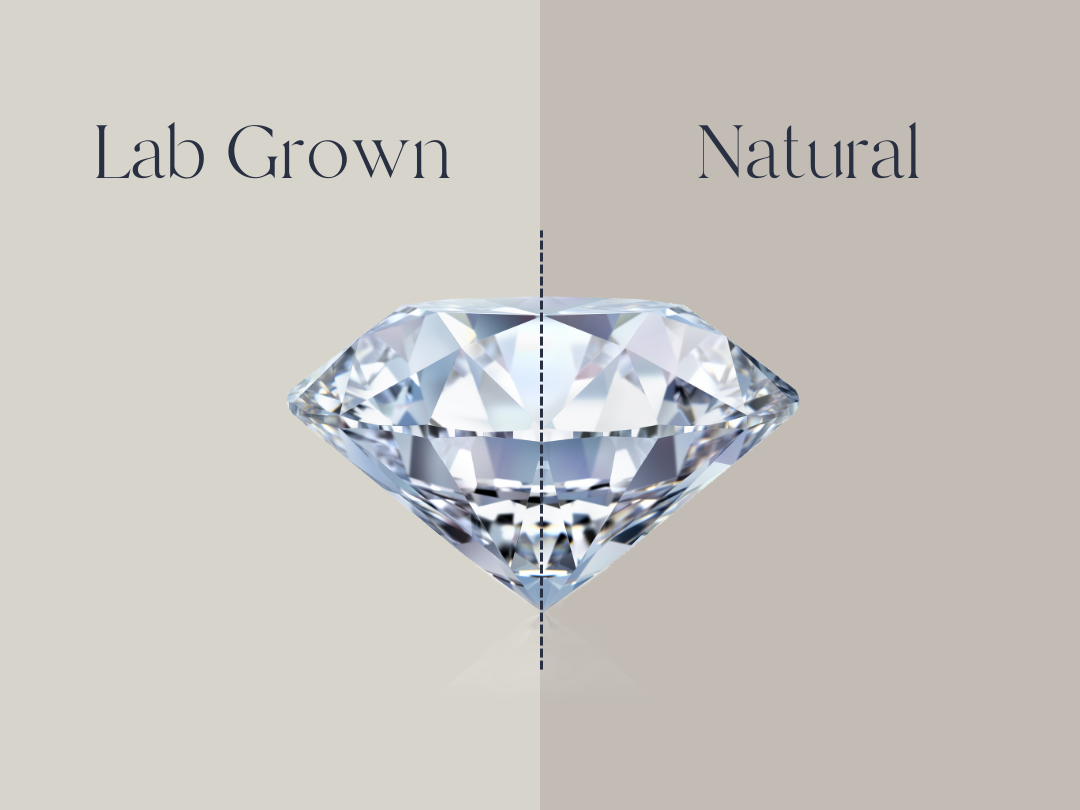
Here are several of the essential advantages of lab expanded rubies and laboratory produced diamond jewelry:.
How Lab Grown Diamonds can Save You Time, Stress, and Money.
In other words, all-natural or earth-mined rubies are crafted over numerous years below the Earth's crust from pure carbon integrated with pressure and heat. Creating diamonds in a lab needs the exact same procedure, simply fine-tuned to happen over a much smaller time framework in a far more regulated setting.
Whereas earth-mined diamonds are unusual and finite and have a tendency to boost in price in time, laboratory rubies are conveniently available. As demand increases, labs can remain to generate laboratory rubies indicating they are not minimal or scarce contrasted to natural diamonds. If you have an interest in great precious jewelry from an investment standpoint, like lab-grown diamond rings, they will not be a good fit for your demands.
They could assume that the cons of lab-grown rubies outweigh the pros. Some might suggest that, for this reason, purchasing a lab-made ruby also comes with its ethical factors to consider, as doing so takes income away from those entailed in the natural diamond market who might need it most.
Traditional rubies rely on the Earth's conditions to determine their top quality or absence thereof. In a lab, makers can straight regulate a ruby's quality.
Little Known Questions About Lab Grown Diamonds.
You can conveniently locate colored, manufactured diamonds on the (reasonably) cheap side as well as particular cuts that would certainly be pricier if you were shopping for an extracted diamond just. That rarely suggests it isn't worth securing.
natural rubies is that the click site last is mined from natural deposits in the Earth while the previous is made in a lab using controlled settings. Their high quality is largely the same. While the distinction between lab-grown and all-natural diamond alternatives are very little when it concerns quality, several of the downsides of lab-grown rubies include the truth that the stone will depreciate in time and, to some, a lack of nostalgic worth that's often connected with extracted diamonds
This cost difference can be connected to the structured production process and the avoidance of expenditures connected with standard mining. The Controlled Atmosphere in Which Laboratory Grown Diamonds Are Developed Allows for Regular Quality.
Versatility in Layout - Laboratory Grown Diamonds Deal Developers and Consumers a Versatile Scheme to Create Unique and Innovative Jewelry Layouts. the Controlled Development Refine Enables The Production of Diamonds in Different Forms and Sizes. Laboratory Ruby Bands are the Many Famous Amongst Laboratory Ruby Jewelry. Laboratory Diamonds Commonly Feature A More Transparent Supply Chain.
Lab Grown Diamonds - Questions
Market Perception - Regardless Of Their Identical Physical Residences, Lab Diamonds Might Face Challenges in Market Understanding. Some Consumers Still Perceive Natural Diamonds as Having Higher Value and Reputation. The Production of Lab-Grown Diamonds Can Be Energy-Intensive, Specifically in Techniques Like High Pressure High Temperature (hpht) and Chemical Vapor Deposition (cvd).
Natural Diamonds Are Created Over Numerous Years Deep Within the Planet, Contributing to Their Perceived Rarity. Lab-Grown Rubies, Regardless Of Their Similar Properties, May Not Carry the Exact Same Rarity Variable, Affecting Their Perceived Value for Some Consumers. Effect on Diamond-Dependent Economic Climates - the Change In The Direction Of Laboratory Grown Diamonds click to investigate Might Have Economic Ramifications for Countries and Areas that Depend on The Ruby Mining Sector.
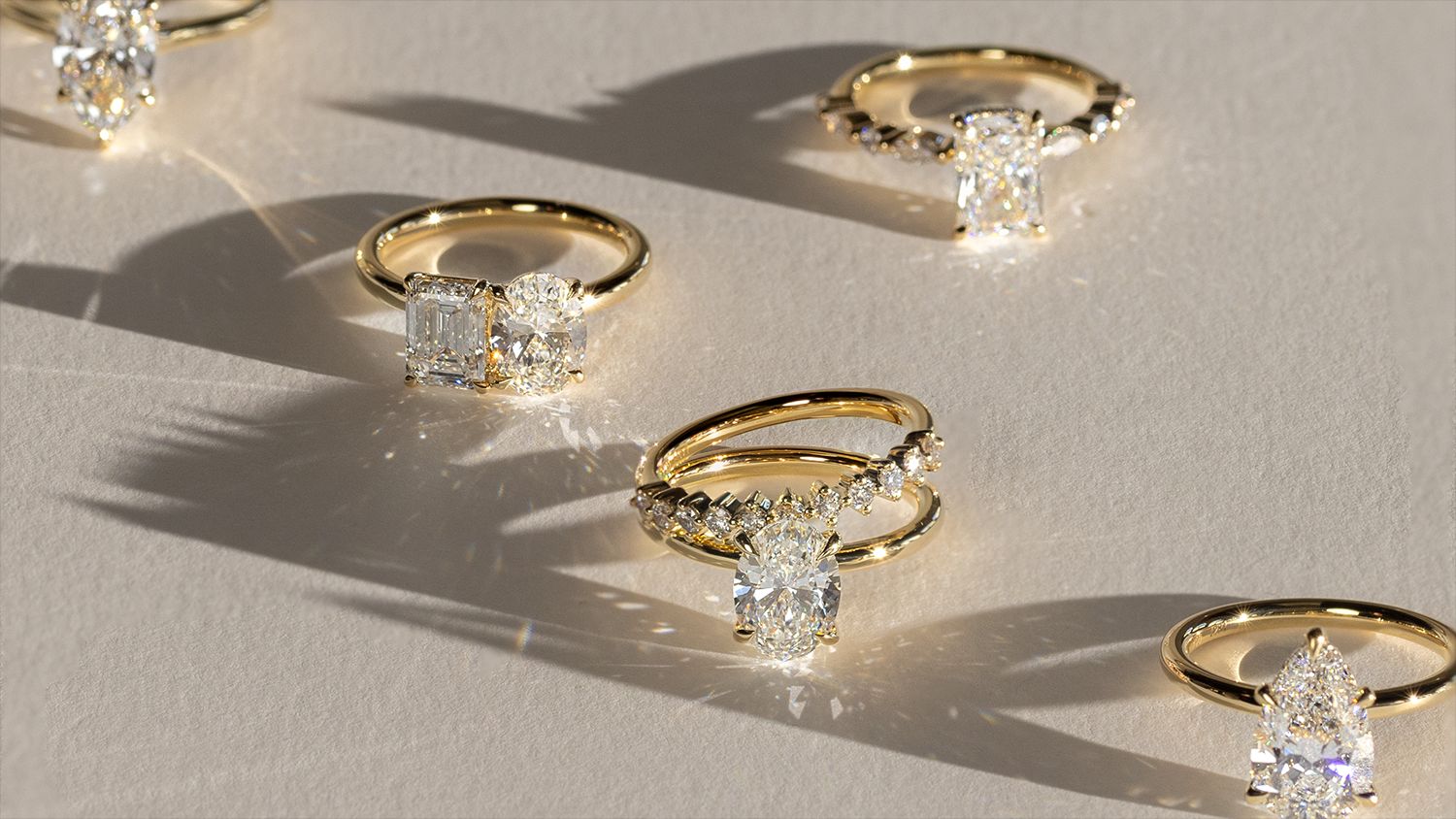
Ans. Lab Diamonds Are of Equal High Quality to Natural Diamonds in Regards To Hardness, Radiance, and Clearness. the High quality of A Ruby, Whether Lab-Grown or Mined, Is Figured Out by Its Cut, Shade, Quality, and Carat Weight. Ans. Yes, Lab Diamonds Sparkle Much Like All-natural Diamonds. Their Radiance and Shimmer Are a Result of Their Cut and The Way Light Connects with Their Facets. Ans.